Listening to Coqui. The Coqui is a very small tree frog, the island’s mascot, that is found all over the island. Puerto Ricans take great pride in their little frog, especially given it only survives on their island. You’ll hear it after the sun sets. Each makes a distinctive two-note chirp that is so loud you can’t hardly believe it comes from a frog about the size of your thumbnail. Often, you’ll hear hundreds of them all chirping together. It’s beautiful.
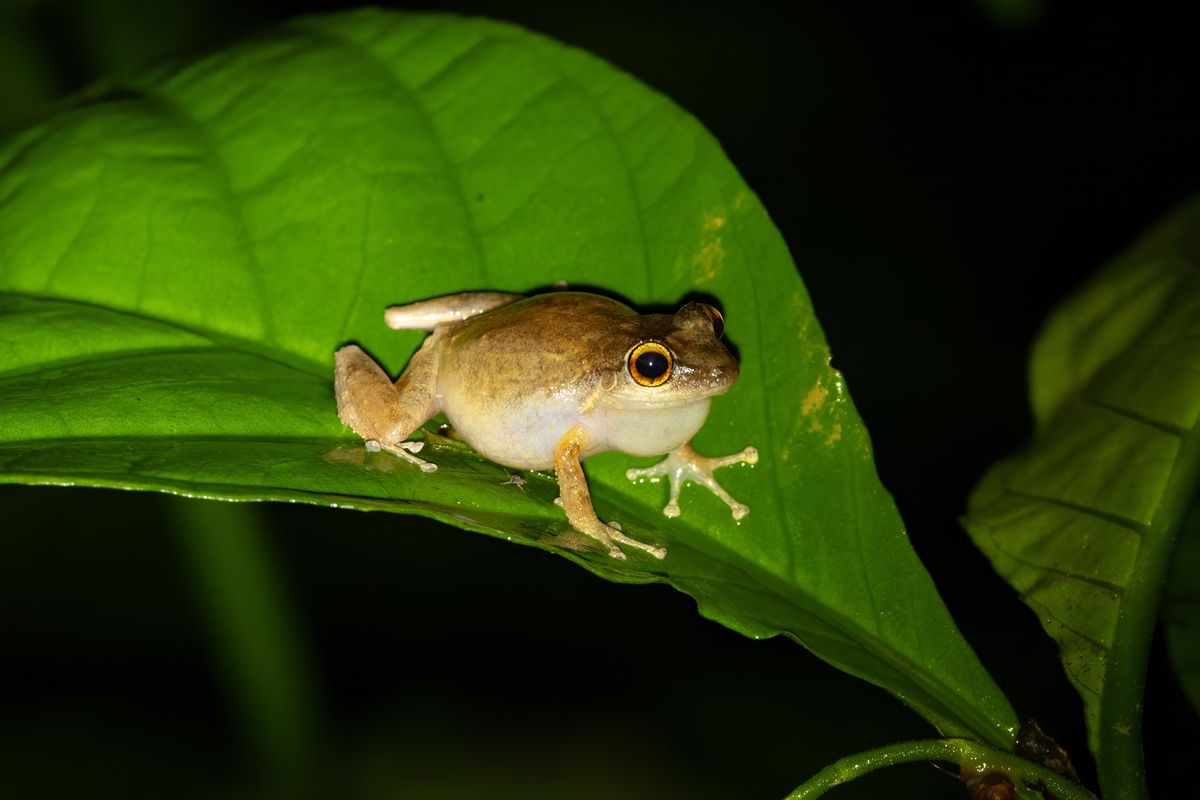
Everyone falls in love with this unique, fun, and tropical sound. If you’re in an area with a lot of trees and other vegetation, you’re very likely to hear them every night. If you’re in an urban area it’s possible you won’t hear them. Of course, I’m hoping you’re traveling around the island – in which case – you’ll hear them for sure!
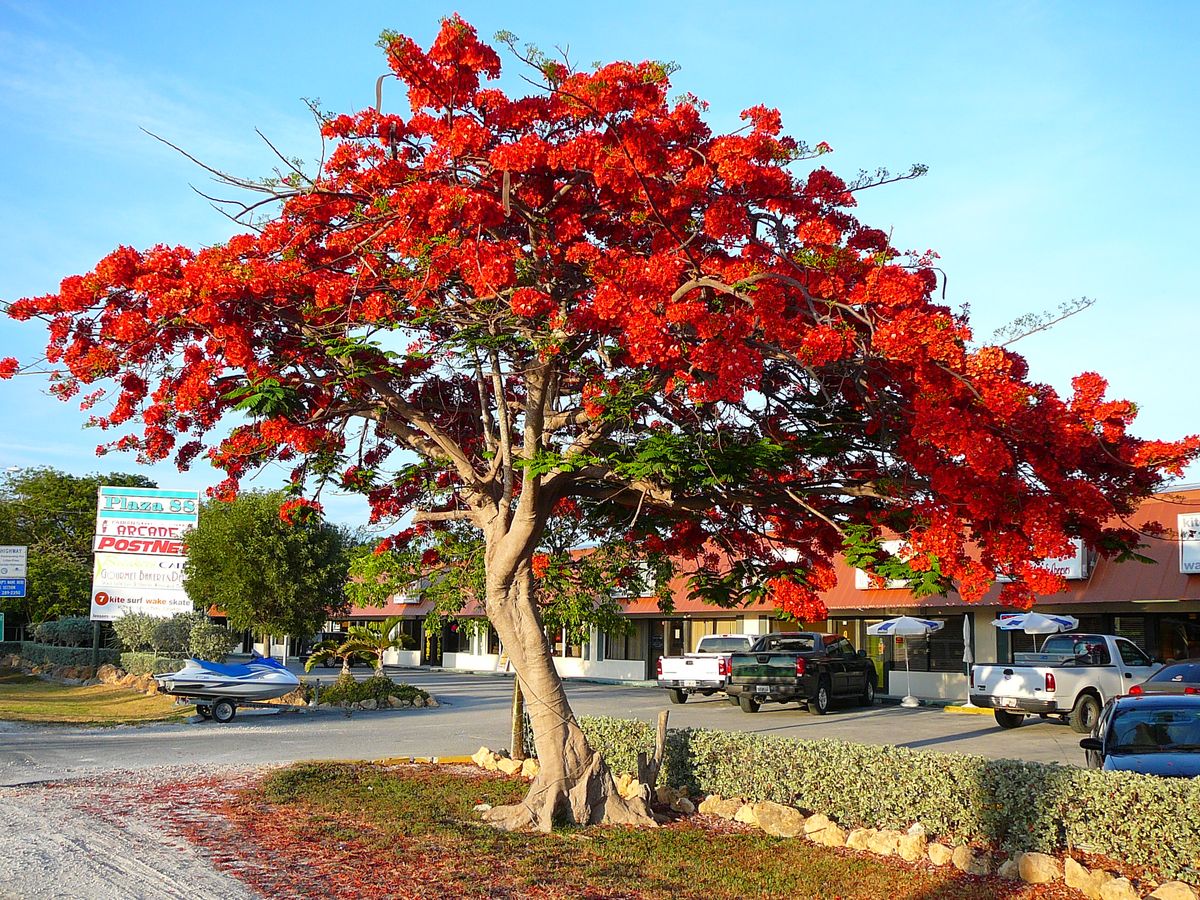
Flamboyant. Unlike the Coqui frog, the Flamboyant tree isn’t unique to Puerto Rico. It was originally found in Madagascar’s dry deciduous forests, but has since been introduced to other tropical regions throughout the world.
The tree is quite striking year-round with its fern-like leaves, giant seed pods, and often broad canopy-like branch structure. But that’s not why it’s called Flamboyant. It gets its name for the brilliant red flowers that all bloom between June and July. It’s very striking and has become an iconic image that is often featured in local art. This tree is so cool looking that it’s kind of ruined all other trees for me.
Beach Volleyball is Awesome. You’re not going to find people playing beach volleyball everywhere you go, but there are a few beaches around the island that have nets up and tons of people play. One of the more well known beaches for volleyball is Ocean Park beach.
Dance Clubs. San Juan’s clubs run late. Doors open around nine or ten, but the room doesn’t fill until after eleven, and the crowd is still going at two in the morning. Show up at nine and you’ll be early.
One of the best places to dance is in Old San Juan, they got some fantastic clubs there. One of the favorite spots I tried is Nuyorican -- the people who teach dance simply show up there and dance with you for free! You shouldn’t be afraid to dance with the locals.
Buy a Guayabera. This is one of the most authentic souvenirs you can have. They have guayaberas for both men and women and even for kids. I recommend getting Panama hats and guayaberas as a tourist -- not just a cheap piece of crap toy but something real from Puerto Rico that locals actually wear.
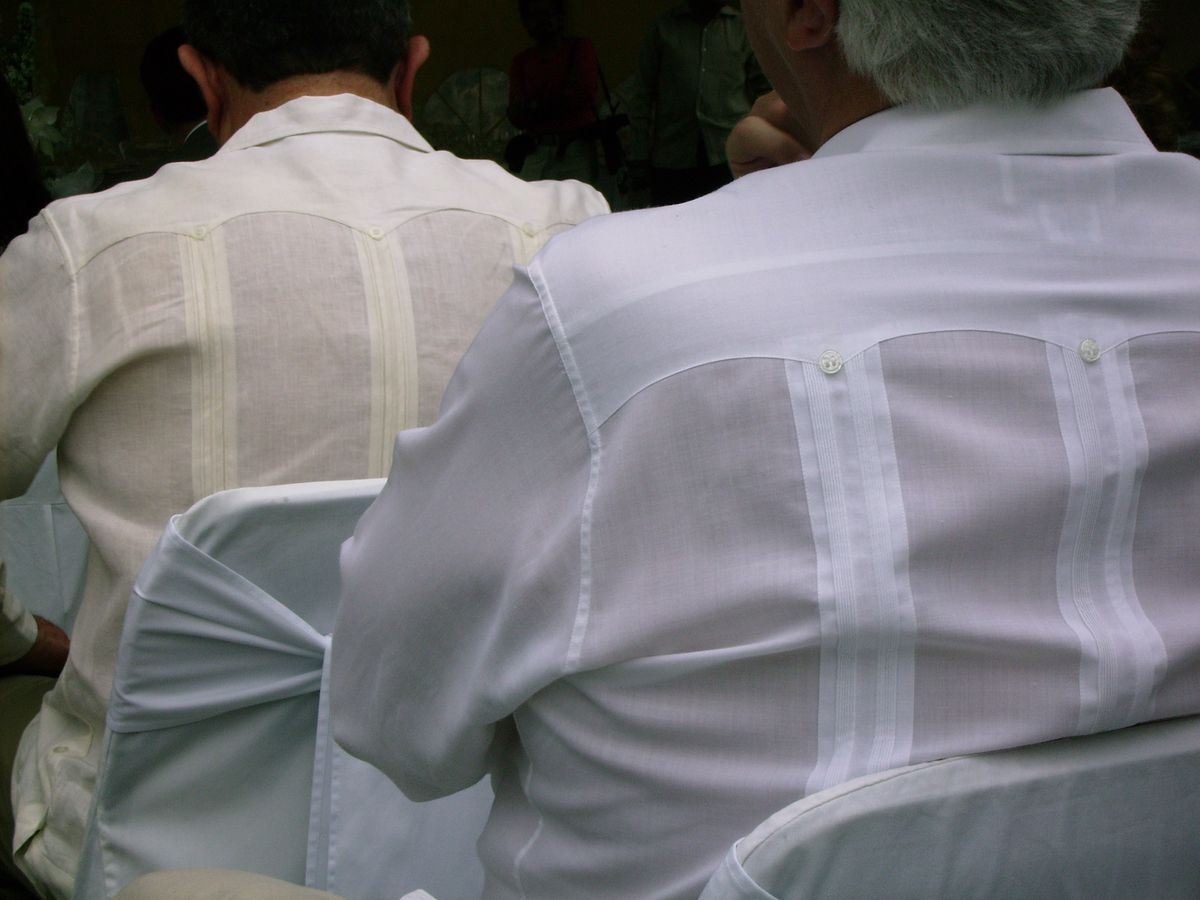
A guayabera is the light cotton or linen shirt with four pockets and rows of narrow vertical pleats running down the front and back. It’s cut straight at the bottom so it’s worn untucked. Across the Caribbean it counts as dressed up — men wear them to weddings and to the office — so it’s a souvenir you can actually get use out of.
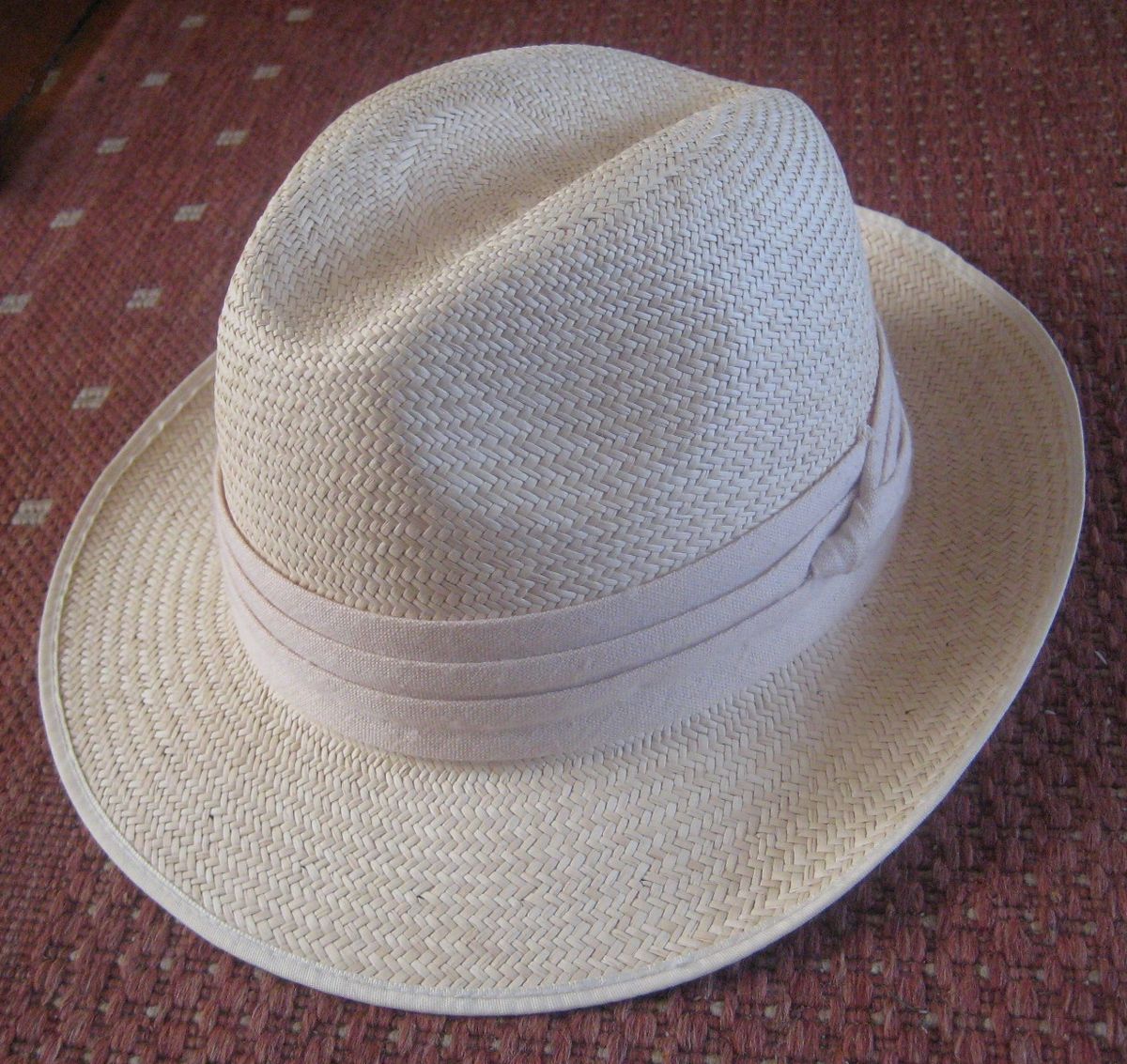
Buy a Panama Hat. Panama hats are woven in Ecuador, not Panama. They got the name because they were shipped through Panama on the way to everywhere else. The quality is all in the weave: a good one is tight enough that you can roll it up and it comes back to its shape, and the price climbs steeply the finer that weave gets. Old San Juan has shops selling the real thing, from cheap straw on up into the thousands.
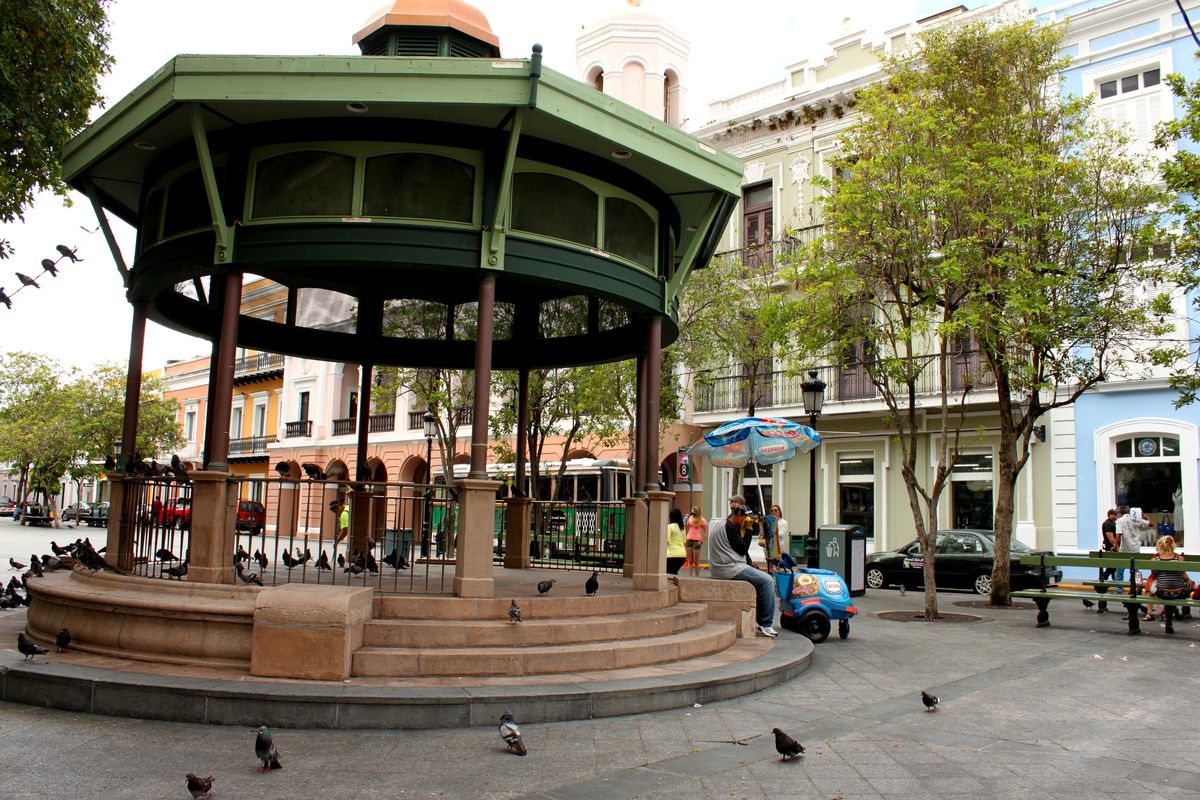
Visit any of the Plazas. Each town has its own plaza. This is usually a large square shaped block decorated with some kind of water feature and statues. Around this water feature you’ll typically find trees for shade and little benches or tables made of cement for playing dominos or eating lunch. Each town takes great pride in their plaza. It’s usually surrounded by restaurants, panaderias (bakeries). On weekends, there are often bands or other events to entertain.
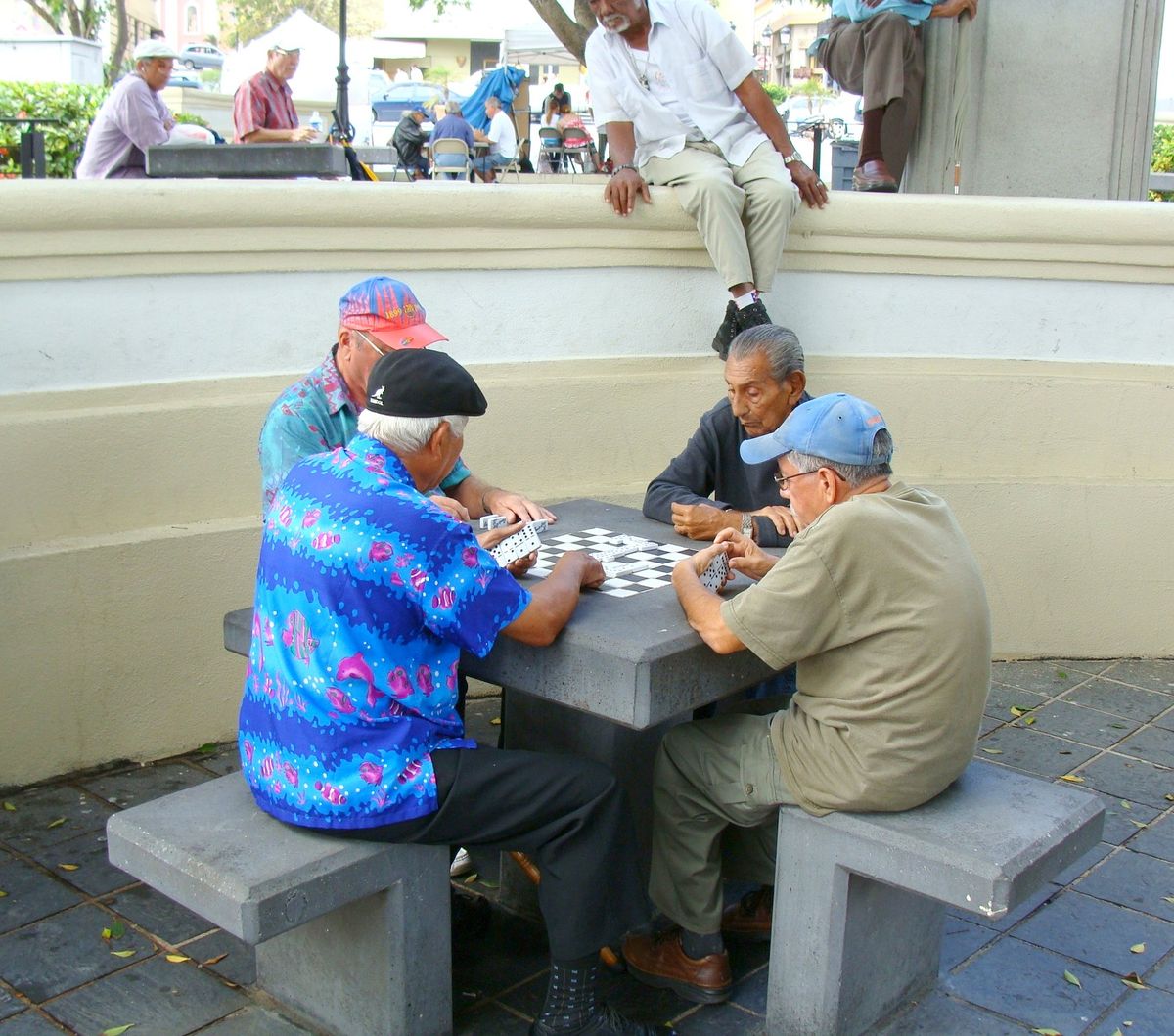
Play Dominoes. Dominoes is close to a national pastime here, and those cement tables in the plazas are where it happens. The island game is double-six: four players, two teams of two with partners sitting across from each other, and whoever holds the double-six leads the first hand. Sets are sold all over Old San Juan and make a better souvenir than most of what’s on the shelf.
Play Brisca. Brisca is the card game that goes with the dominoes. It uses a 40-card Spanish deck — coins, cups, swords and clubs instead of the four suits you grew up with — and it moves fast: three cards in your hand, one suit turned face up as trump, and you take tricks for points. Aces and threes are worth the most. The decks are cheap and sold in the same shops as the domino sets.
Visit the Lighthouses. One of the coolest Lighthouses I’ve been to is in Cabo Rojo. There’s also one in Rincon and Aguadilla. But these are just my recommendations as there are always even more beautiful lighthouses to explore!
Explore in a Jeep. Especially when you get out of the city, it’s not that hard to get around. When you’re up in the mountain, the roads can indeed get a bit crazy, but driving around the islands in a jeep will be a blast!
Enjoy Tropical Rain. It’s just a warm rain and usually it happens for a few minutes in a day; when it does, you can simply jump underneath something for shelter. But allow yourself to get wet. Even my kids love it when it rains; they have fun and run around when it rains and enjoy it.
Try Mofongo. This is the dish the island is known for. Green plantains are fried, then mashed in a wooden mortar called a pilón with garlic and crispy pork cracklings, and packed down into a dense mound. It usually shows up as a bowl filled with shrimp, chicken, pork or crab, sometimes sitting in a little broth. It’s heavy — plan on it being the whole meal, not a side.
Drink coffee. It’s always a fun experience visiting coffee farms all over the mountains.
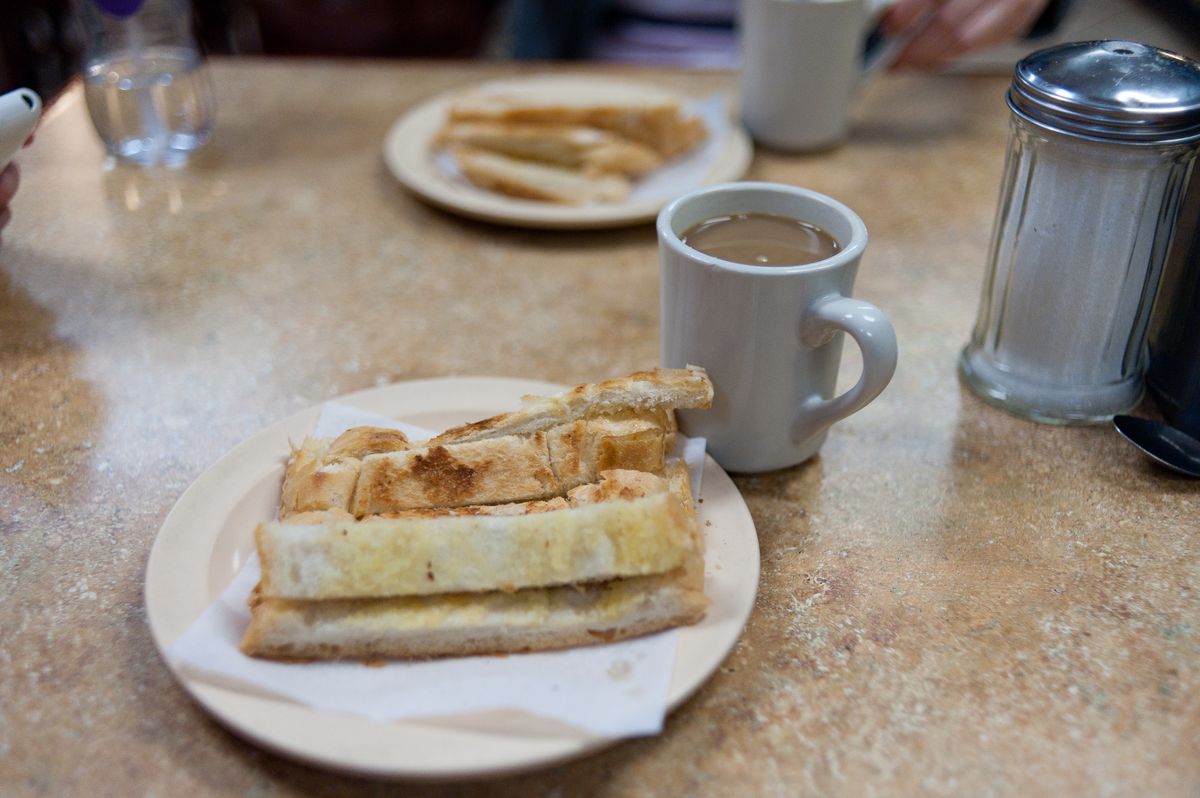
At a counter you’ll mostly hear three orders. A pocillo is a straight espresso in a small cup. Ask for a cortadito and you get that same shot with a little steamed milk to cut it. Café con leche is the big morning cup — strong coffee with hot milk, often evaporated milk, usually sweetened.
Drink Rum. Rum is the island’s own spirit and it’s cheap here. The local shot is a chichaíto: white rum and anise liqueur in equal parts, poured cold. It tastes like licorice, which is the point, because that’s what covers the rum. Small bars will pour you one for a dollar or two.
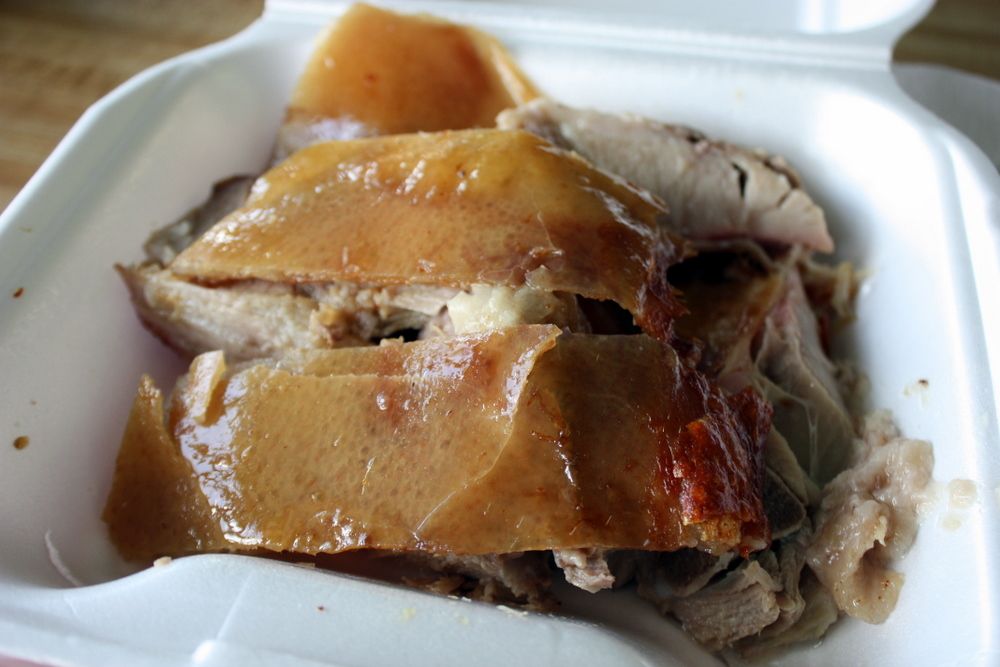
Pinchos and other street food. This can be likened to kebabs a bit, just meat no veggies, usually made of pork or chicken. As the island is known for its pork, I suggest you go for pork. It’s simple, easy to eat and delicious!
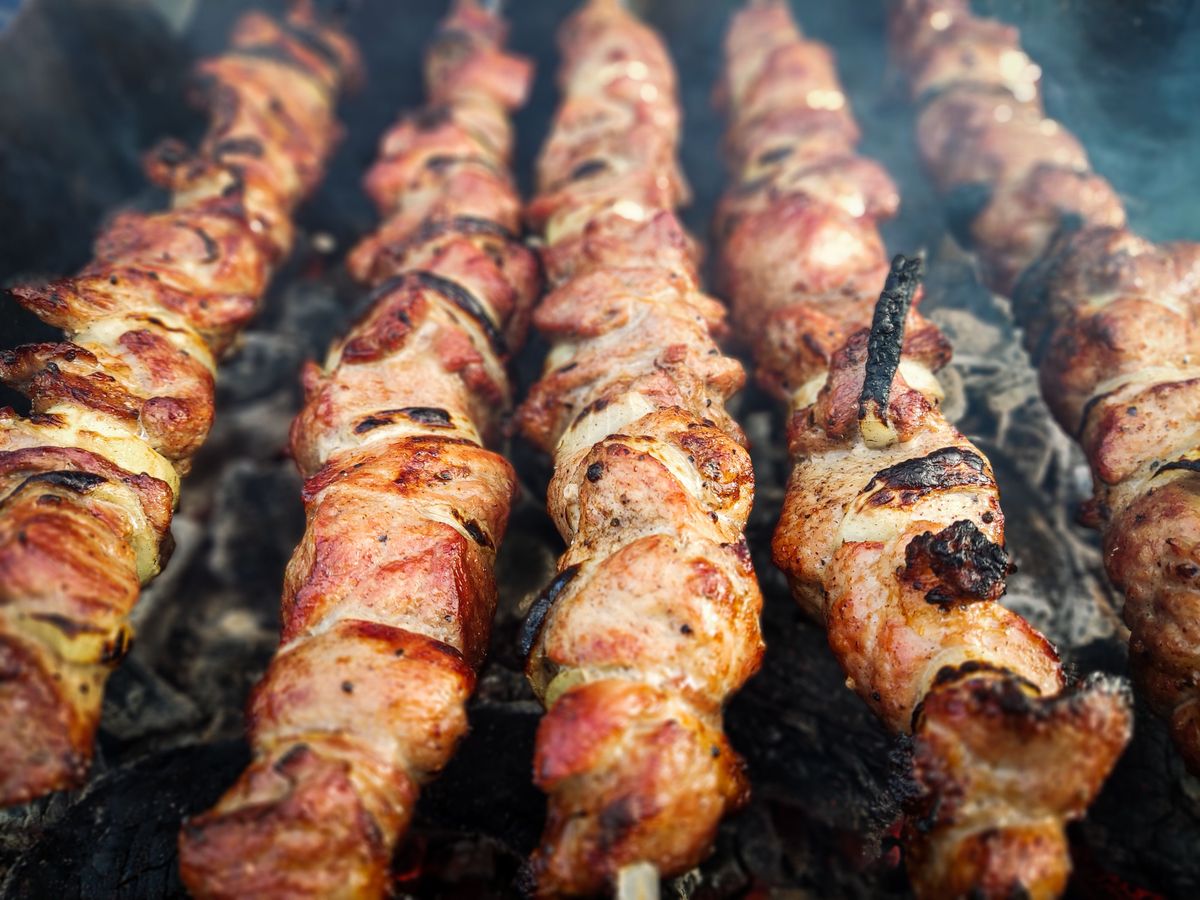
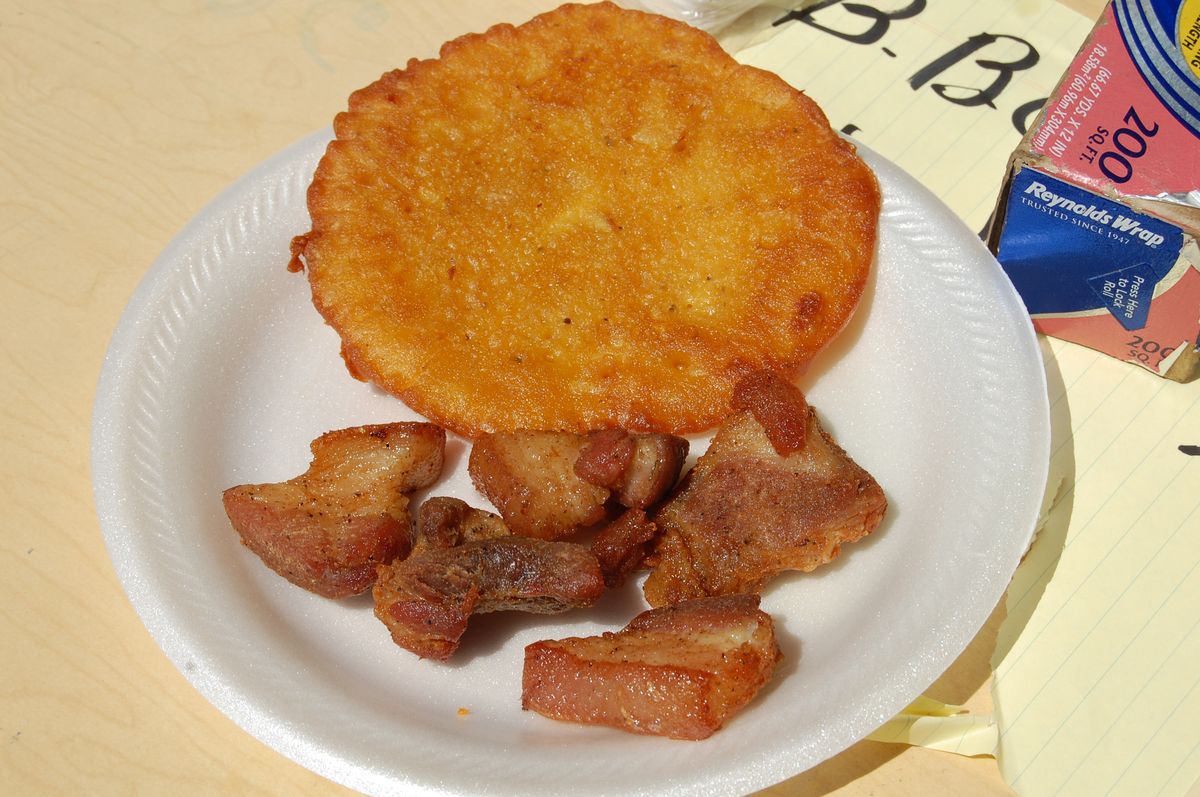
Don’t be afraid of trying street food! Be adventurous. They're amazing, they’re clean and delicious. Try as much as you can. Other street food is bacalaitos--fried cod. It’s made out of a simple mixture of batter with spices and salted cod. Good!
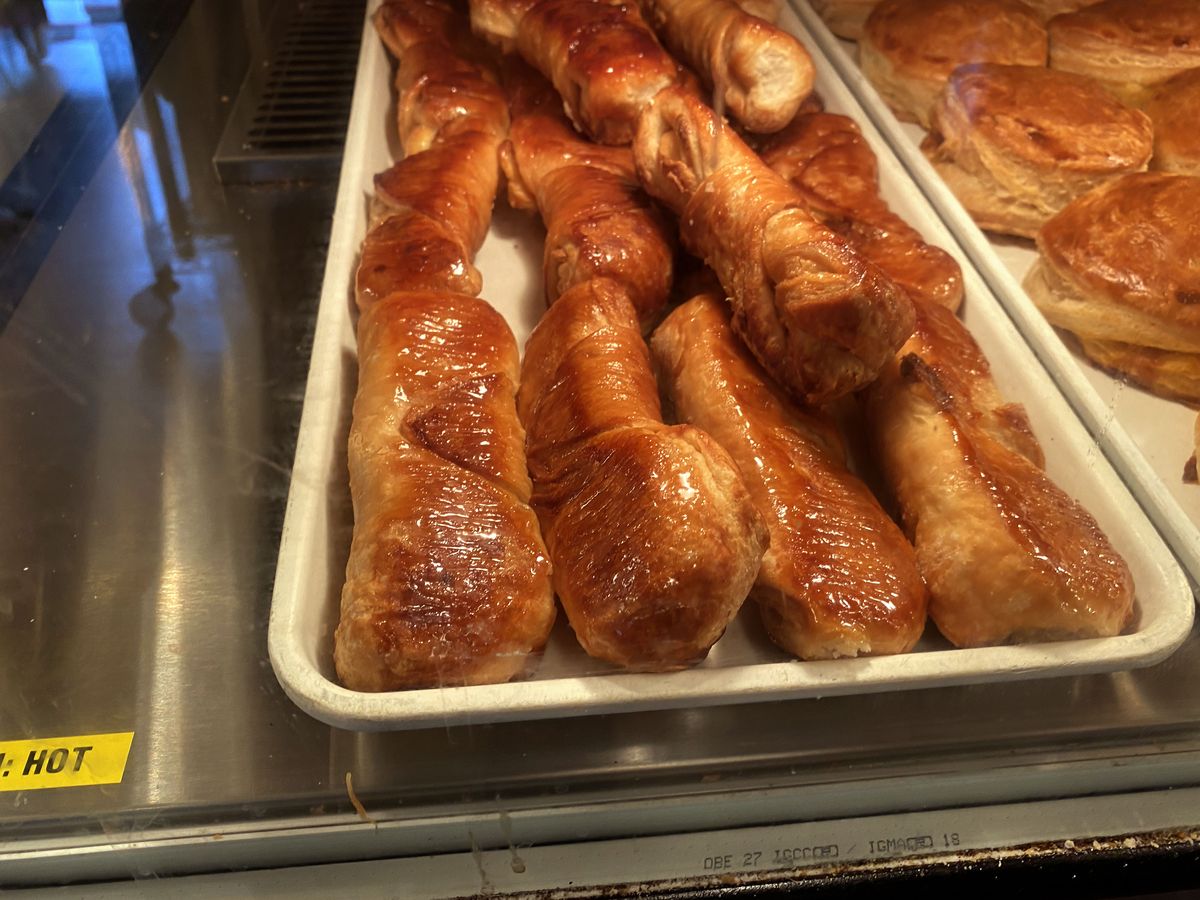
Panaderias. Whatever part of town you explore in Puerto Rico, there’s always a panaderia or bakery. They have some varieties of bread, pastries, doughnuts, try them all out. You can also buy some of the best sandwiches there. Yum!
Cubano sandwich. If you watched the enjoyable movie called, “Chef”, it’s about this guy that makes Cubano sandwiches in Miami.
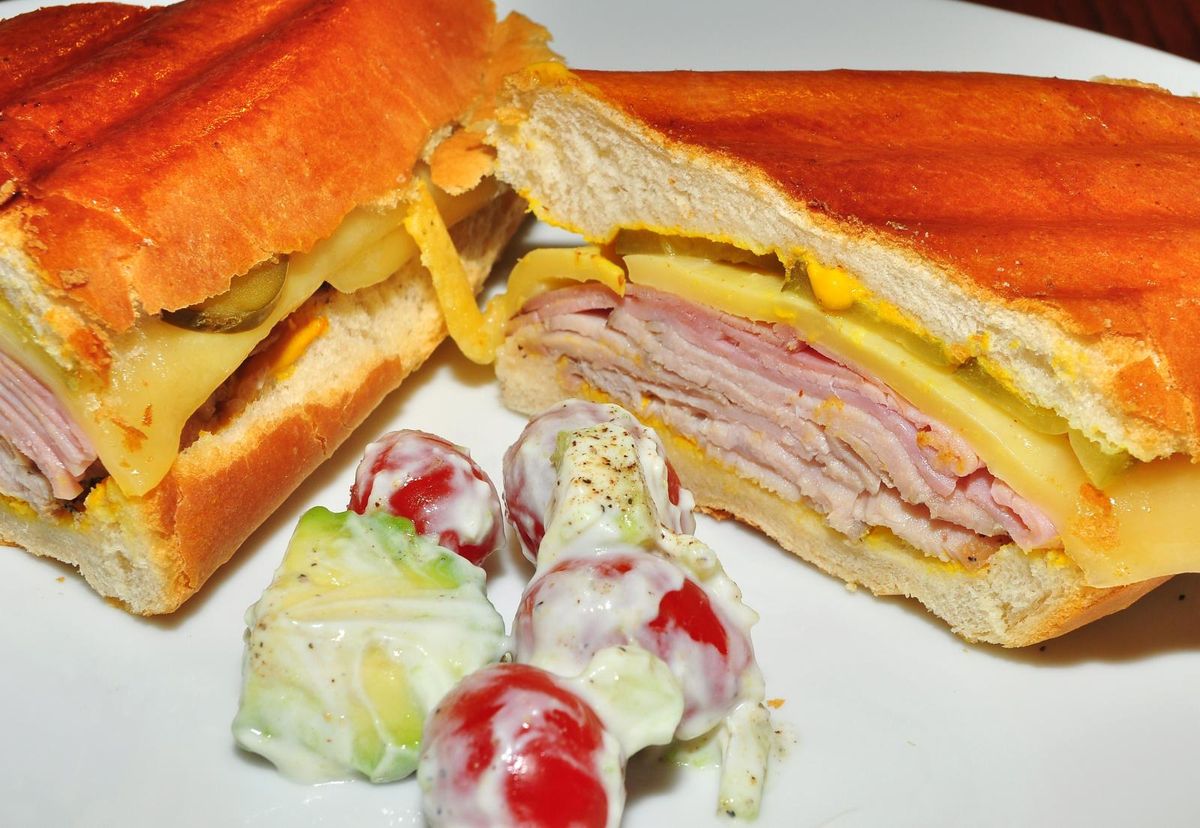
The sandwich itself is roast pork, ham, Swiss cheese, pickles and mustard on Cuban bread, pressed flat on a hot griddle until the crust cracks. A panaderia is a good place to look for one.
Tostones. If you add ketchup in it, (most locals do ask for ketchup--so no, it’s not strange at all to ask for ketchup) it adds more flavor, then it’s going to be more savory depending on your taste. Yes, a little experimenting even in food goes a long way. Try it!
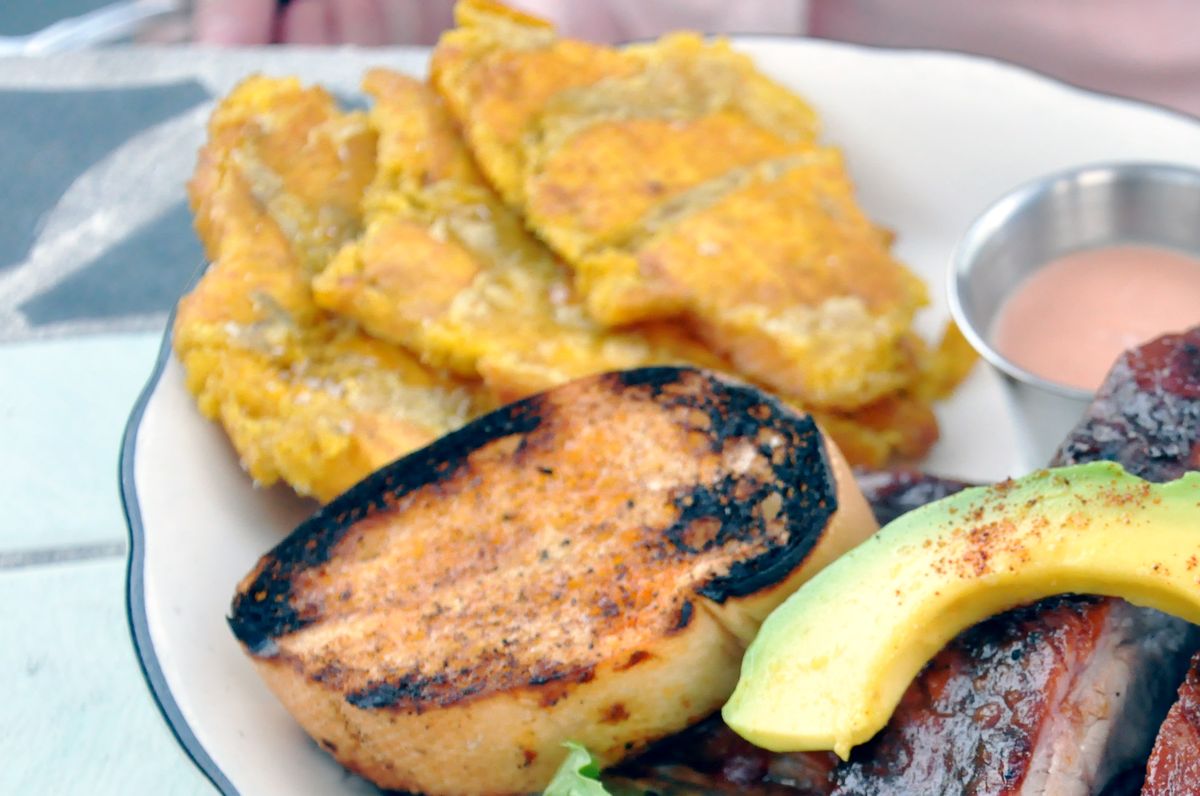
Tostones are green plantains cut into thick coins, fried, smashed flat, and then fried a second time. They come out crisp on the edges and starchy in the middle. A plantain looks like a banana but isn’t sweet, especially a green one — think of it as the island’s potato.
Blood sausage. Hey, don’t be afraid to try it. Blood sausage is either pig’s, goat’s or sheep’s blood (depends on what variety) cooked and dried and then filled with seasoning, spices and rice. Last time we tried it, still delicious as ever and even my kids love it.
Malta. Personally, I didn't like it at first, but in time I have “grown” to like it. I really like to drink it with something salty, like with pork or something like that, in order to “balance” the flavors.
Ice cream vendors. You should try the coconut ice cream--my personal favorite. These ice cream vendors in Puerto Rico--they’re different from the ones you see in the grocery stores in USA. It’s almost like tasting sorbet. You have these guys on push carts selling ice creams.
Fruit stands. I'm sure they’re going to make a big comeback, and then all will be back to normal and you can try all the local fruits again, especially my fave passion fruits.
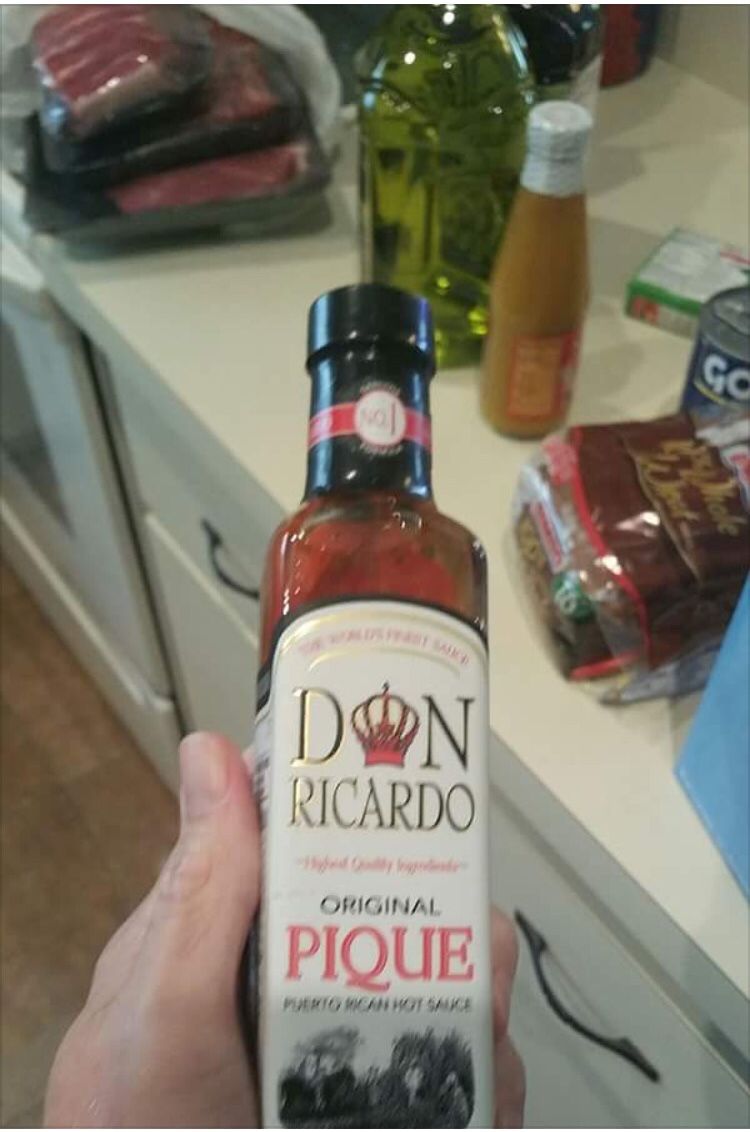
Sunbaked hot sauce. Another fascinating food trivia here is about the island’s sunbaked hot sauce. The locals here make hot sauce from scratch. They get an old bottle (usually a rum bottle), then fill it with vinegar, fill it with fresh local peppers, a little bit of oil and leave it under the sun for months. After that, when the peppers break down with the vinegars, the result is awesome! Even restaurants will have something like this because it’s a local favorite.
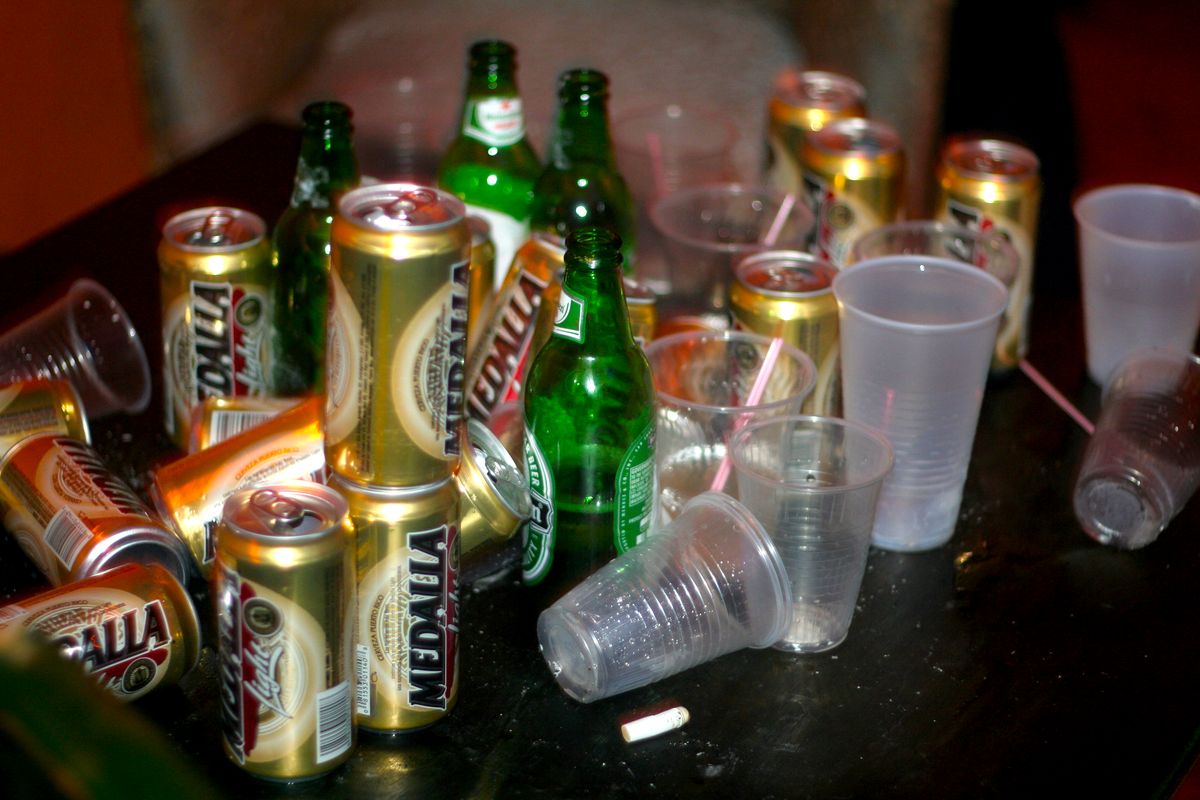
Medalla beer. The Medalla beer is locally produced here, and is actually the favorite beer of the locals. You can have a can of Medalla beer for just a dollar. This is a bargain! For beer drinkers, you need to try it.
Cold coconut. This one I highly recommend. Its water can be an acquired taste, but if you never tasted fresh coconut before, it can be quite an experience. For me, I like the big green ones because the coconut flesh on the inside is soft unlike the coco seco you see in lots of groceries in the USA. Bottomline: It’s so good. It’s better to get green ones as opposed to the brown or yellow ones, in my opinion.
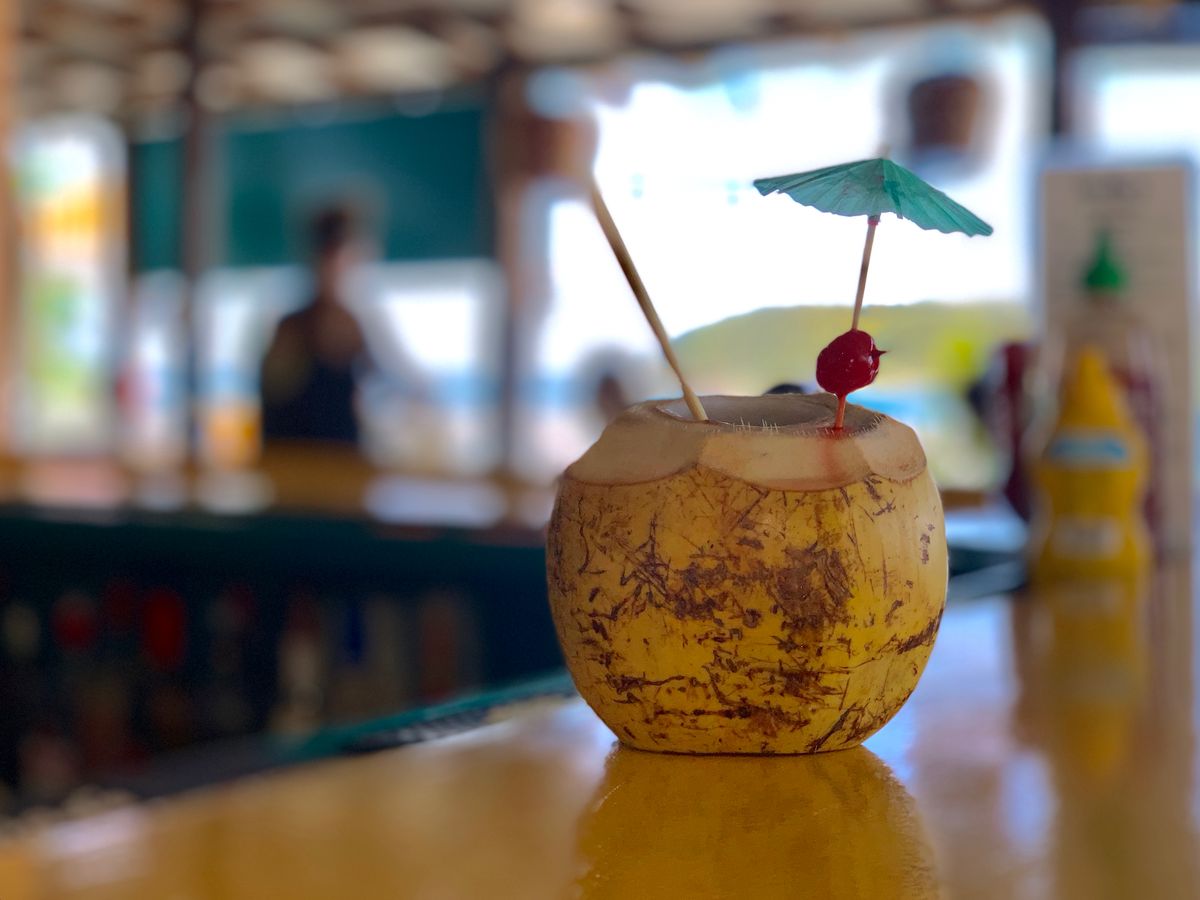
Piña colada. The drink was invented in San Juan, and two places claim it. The Caribe Hilton says its bartender Ramón Marrero mixed the first one in the 1950s; Barrachina in Old San Juan has a stone plaque out front dating it to 1963. Puerto Rico settled the argument sideways in 1978 by making it the official national drink. Every beach bar on the island pours them.
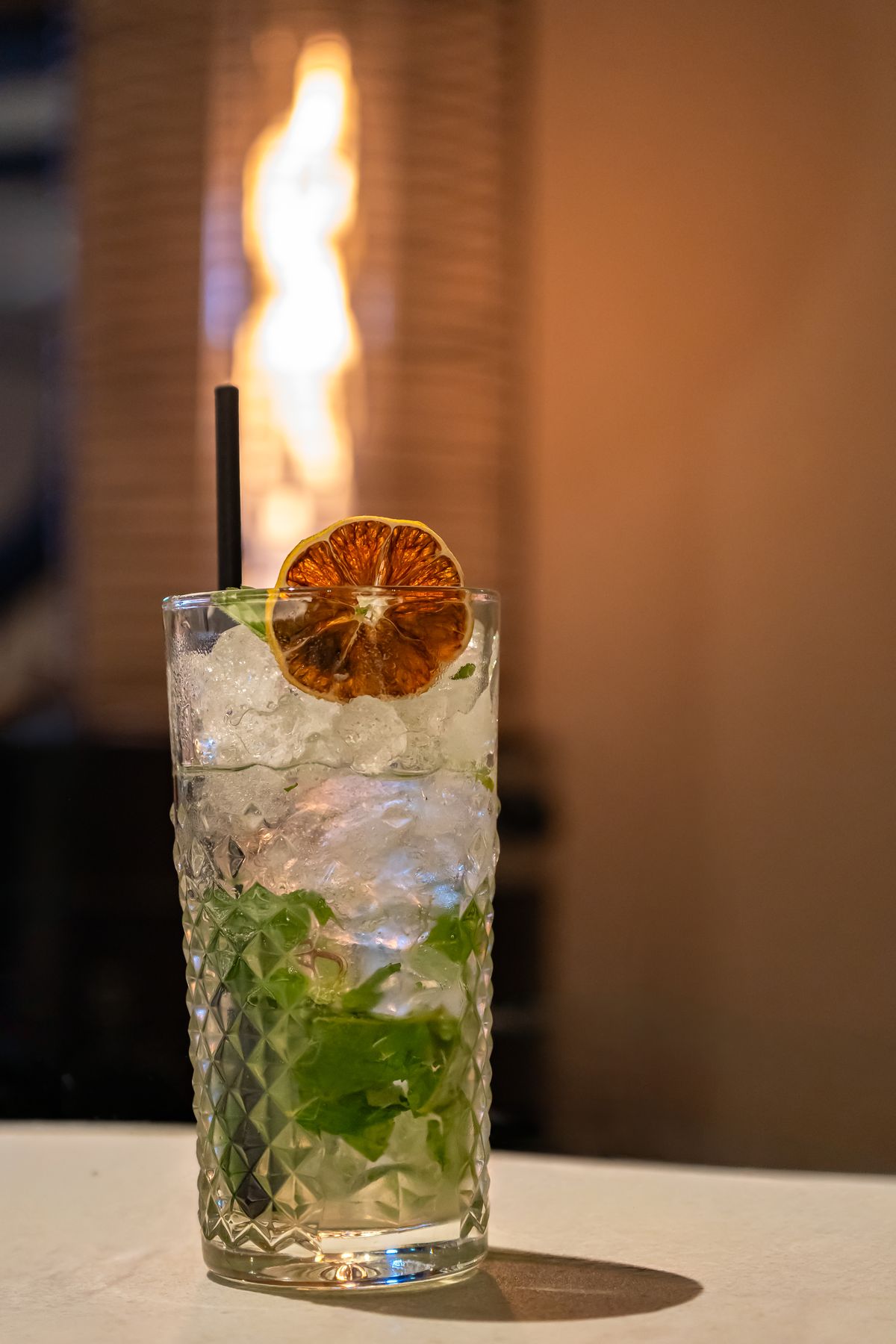
Mojito. The Mojito was invented 400 or 500 years ago. Cool thing about mojito of Puerto Rico is that they are 100 % made of fresh stuff; whereas other bars worldwide will just serve mojitos with only syrups with artificial flavorings and sugars. The Puerto Rican mojitos are the best because they are made with fresh stuff, fresh limes, fresh raw sugar--the works.
Chocolate all day. Chocolates in Puerto Rico are really good, aside from the many food offerings in the island, chocolates are one of them. However, chocolates here are quite expensive, more European, and a little bit on the bitter side, high on coco content. Chocolates here are not your usual sweet and milk chocolate variety.
Seafood. Not a lot of seafood on the island. Not as much as you think and not as important as the chickens here. So it means not a lot of fish. They have fishing industry alright, but it’s small. The Puerto Rican trench drops off, so the seafloor is not very shallow-- it’s very deep. But there’s a few things you can try. One is called fish bites -- wherever you see them on the menu, try them. It’s made of grouper fish, and the best--super moist, best casual fast food like fried fish we ever had. And oh, lobsters here don’t have claws, premium lobsters don’t have claws like the lobsters in Maine. The only edible part is the tail. They have bacalaitos which is salted cod, they bring the cod in and preserve it with salt.
Christmas. It’s a huge event in Puerto Rico. The biggest holiday of the year, the locals party for weeks. They celebrate Christmas like in the States, but they also have a big day like “The Wise Man Day” where the kids place some hay underneath their beds so the camels can eat the hay. Usually they have special gifts for each of the kids on that day as well. They also have traditions on Christmas, where people go around singing on each other’s houses and they still do this today; and all the people will invite their neighbors to eat in when they come to sing, so it’s a huge party.
Talking with locals. No matter where you’re at, you always have a chance to talk to the locals. They’re friendly. Don't be intimidated to reach out and talk to them, as they’re happy to help. They can be quite standoffish when they’re on a major touristy area. But as soon as you talk to them, you realize that the vast majority of Puerto Ricans are really friendly and approachable.
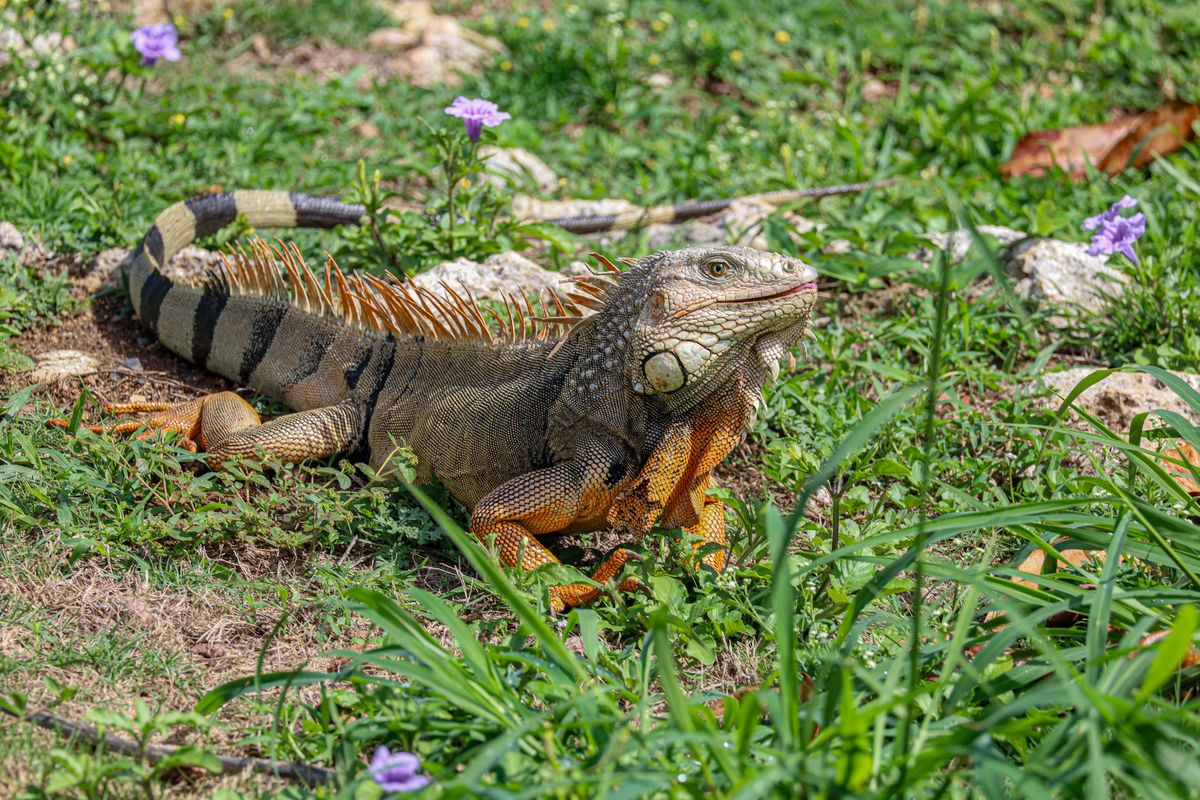
Iguanas. Iguanas are giant lizards, and they’re really hard to find on trees. If you travel around the island, you probably will see them with much patience. When you do, believe me, they’re impressive to look at.
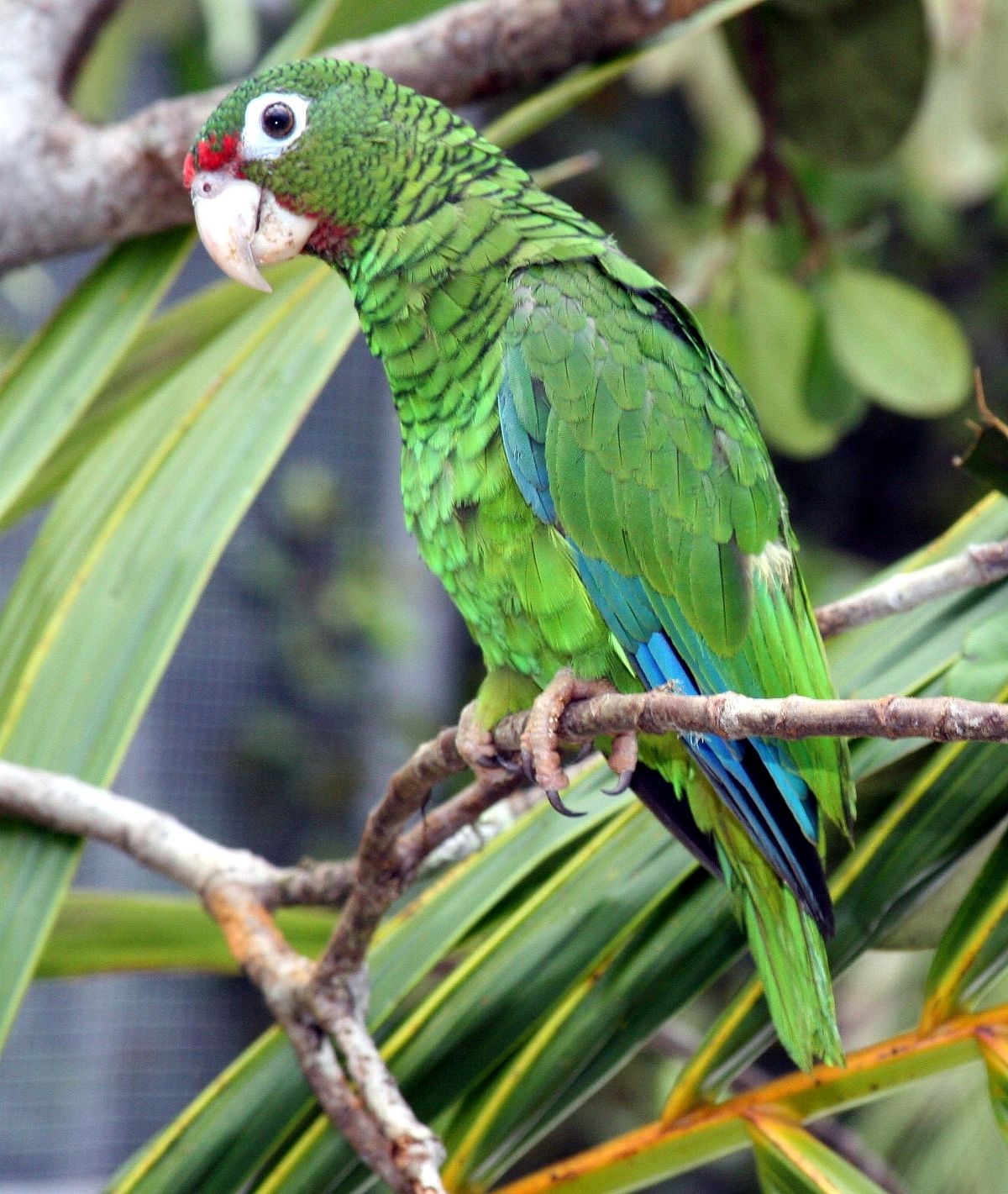
Amazon parrot. You may or may not see the Amazon parrot. Just keep a watchful eye on them. If you do see one, then consider yourself lucky! They’re green parrots, they used to be in big swarms, but now they’re endangered. Hurricane Maria hit them hard, but they’ve been coming back since. So your chances to see them are a little better now.
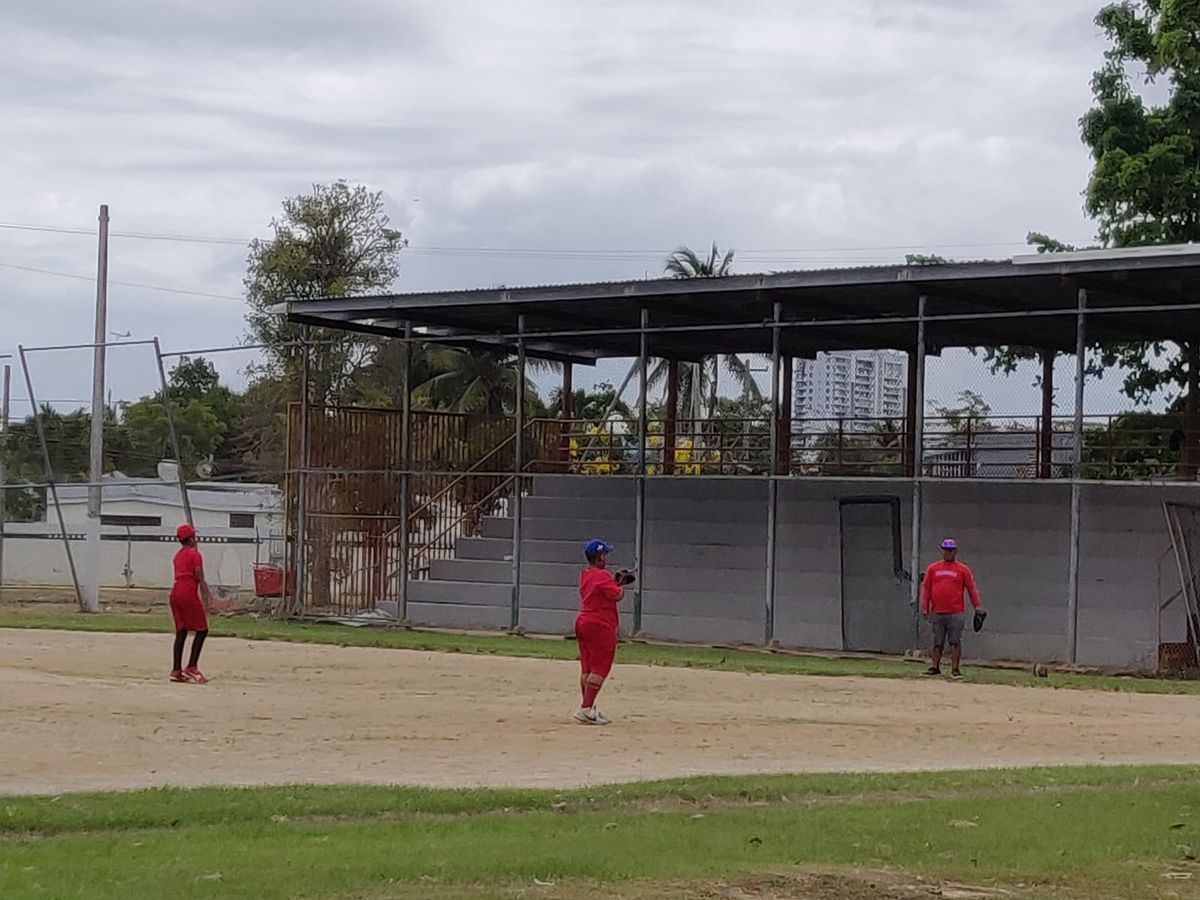
Baseball. Baseball used to be the main sport that everyone played, but during the last few decades, they kind of switched to basketball, but baseball is still very much alive and kicking and popular, as there are baseball diamonds all over. So there are more chances you can catch a baseball game.
Roosters. Roosters are all over the island. If you have the chance to be outside the city or even inside the city, you can hear roosters in the morning. So be prepared for that and just enjoy when you hear roosters waking you up in the morning, like your natural alarm clock.
Museums. Museums here are like lots of European art.
Other Travelers. When visiting, try talking to other travelers. Even Puerto Ricans will take vacations to other parts of the islands. So you can talk to other travelers, you don’t know who you’re going to meet and it's fun. If you keep an open mind, you may meet some of the most interesting people on the island.
Collect shells. The beaches in Vieques are teeming with conch shells. There are also some sea shells on the Vega Baja beach. Not to mention that on the west coast side, on Joyuda beach, there are also many broken shells as well as good ones combined.
Know Before You Go — Things to Do Anywhere
Five of Ben's "do it anywhere" mentions are specific enough to pin down. Here's where they actually are, checked live this September.
Sources: sanjuanpuertorico.com and boricuaonline.com (Ocean Park volleyball, parking); Atlas Obscura and TripAdvisor (Punta Borinquen lighthouse ruins); TripAdvisor, ZeePuertoRico, and Puerto Rico Beach Finder (Vega Baja balneario); Wikipedia, Fodor's, and Puerto Rico Day Trips (Joyuda "Golden Mile," Boquerón, Puerto Real). All checked live, September 2026.