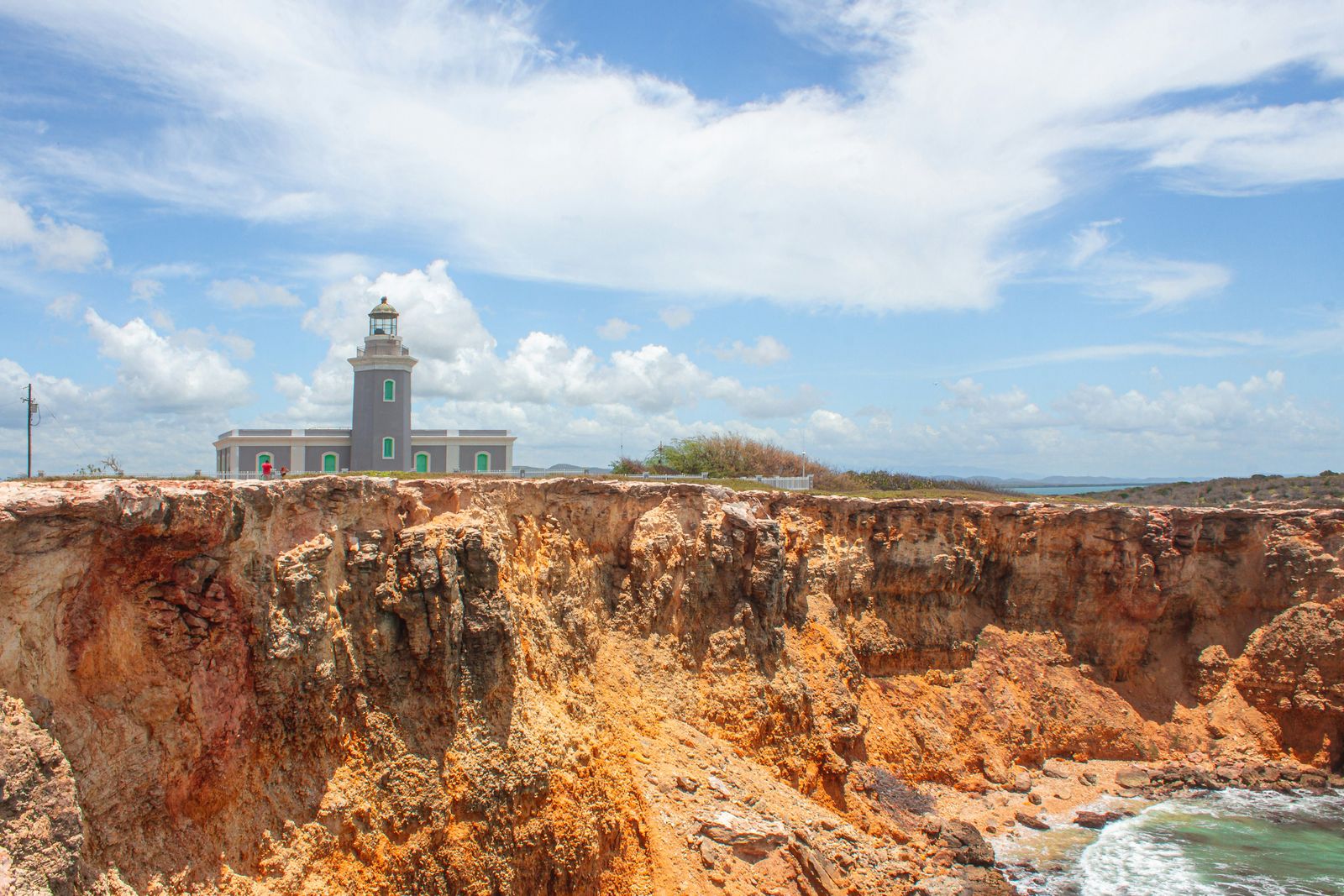
Where Most Tourists Stay. Most tourists when they visit Puerto Rico, they end up spending 200-400 USD or more, per night on a hotel room. And in my opinion, the services are not that great, and there are some really high end resorts that are pretty cool and cost-effective for their budget. They can go to resorts, and make the most of the amenities of a resort, and that’s ok for tourists who want to do that. And you can see those tourists in San Juan, Fajardo, and maybe down in Ponce, and those main areas, you see them all around the coast, as well as on the main areas. What happens is that Puerto Rico imposes a huge tax on hotel rooms, and that is one of the major reasons why they are so expensive.
Airbnb. My personal preference and suggestion is to use Airbnb. I’ve been traveling with them for years and years, so what it does is that it allows people to post their apartments or homes for rent.
A lot of people really invest huge amounts of money for rental properties to advertise to tourists, but they don't have that much tax they pay to Puerto Rico, or like high taxes in hotels, and you can even rent the whole house.
You can get 3 or 4 bedrooms, it depends on where you're at, and San Juan is the most expensive area, like 200 or 300 bucks a night. But you’re right downtown, and you can split it amongst you. Usually in San Juan, you use one of those buildings, not a house, but a condo, or apartment.
The Airbnb hosts they really treat you well, they meet you there, they help you check in, they tell you everything, where to go, what to do, etc. As for how to rent: look for the ones with lots of positive reviews. I would avoid those without reviews. You can type in where you want to go and it will open a bunch of options. Select the date and filter how many beds you need and how many people going with you. And look at the deals. I will look for ones with lots of positive reviews. That will eliminate lots of problems.
You pay Airbnb to reserve the place. But they don’t release that money to the host till you check in and stay there and are satisfied with it. The person hosting the place has a reputation to protect, (they want people to stay with them around a bit and get 5 star reviews and get positive reviews).
As a traveler, you want to build your reputation, so you want to make sure that when you rent a place, you take good care of it, you don’t trash it, you respect house rules and are easy to work with the landlords. The landlord can also give reviews on the guests as well. That’s cool because the hosts and the guests are able to submit reviews to one another. But those reviews are not visible to one another, till they both submit it and they can be honest. So you can save a lot of money and you can get more for your money and it’s safe.
Housing Tips by Region. In Old San Juan, I really like to stay in places like San Sebastian Road, one of my favorites. Just expect to pay a couple of hundred or 300 USD per night. It’s one of most expensive places on the island, but still worth going for a couple of nights; if you get a group of people together you can split the cost and it won't be that bad. Not to mention that you can also save a lot because you don’t need a rental car, you just walk around and enjoy the sights. So even the housing there where you stay can be really cool.
The architecture is Spanish styled, it’s really lovely. They have tall stately ceilings, bunch of stylish windows on a wall that opens up with little balcony. It is so cool and that’s the most expensive. And the rest of the island? Well, you’re looking at maybe 50 to 150 USD per night to get a house or nice place. You can also rent a room. If you want to go there and meet people, with a small group, that’s ok too. But if you want privacy, then go ahead and rent the whole house if you can afford it.
Some really cool beach areas are in Agua Dia, Rincon, Aguada, Isabela, you can get close to the beach. And Fajardo, it’s kind of a marina, but you can get close to the ocean there. If you want to get close to the mountains, it’s gorgeous staying near the mountains. If you get one with the view, you'll hear about the wildlife, it’s incredible. Definitely I’ll recommend one on El Yunque, to get a tremendous view.
Know Before You Go: Where to Stay
Ben's chapter makes the case for Airbnb from someone who's booked it for years, and the numbers above already correct his prices for 2026. This layer covers what his chapter doesn't: the phone-bookable option, whether hostels are actually real here, what the rental tax means for the price you see, and how to pick a base.
Paradores — the phone-bookable option. Puerto Rico's paradores program, a government-promoted network of family-owned small inns launched in 1973, is alive in 2026 — Discover Puerto Rico, the island's official tourism site, runs a live, searchable paradores directory today. Roughly 13 properties remain active, mostly on the west and south coasts (Boquemar and Combate Beach Resort in Cabo Rojo, Villa Parguera in Lajas, Guánica 1929, El Buen Café in Hatillo, among others). This is the desk's answer for a traveler who'd rather call a person than scroll an app: dial the property directly. Current rates run roughly $115-$200+ a night. Not cheap, but real and human-answered.
Hostels — real, but thin. Actual dorm-bed hostels operate in both San Juan and Rincón in 2026, though the island's hostel scene is small. In San Juan, Conturce Hostel (between Old San Juan and Condado) is well-established: 8.5/10 "Fabulous" on Hostelworld across 261 reviews, feedback as recent as August 2026, dorm beds from around $33-$40 a night. In Rincón, Dorms Rincón is — per Hostelworld's own listing — the only hostel currently operating in town: $27/night for a dorm, rated 7.2 "Very Good," but on only four reviews. Real and bookable; book a cancellable rate given how small an operation it is.
The 7% tax, for guests. Short-term rentals are no longer the tax-light alternative to hotels Ben describes. Hosts must now register as "hosteleros" with the PR Tourism Company and as merchants with Hacienda, and collect a 7% room-occupancy tax from guests (hotels run 9-11%, so the gap has narrowed, not closed). That 7% usually isn't in the price shown on a listing search page — expect it added at checkout. A 2026 bill in the Legislature (SB 238) would layer a centralized municipal registry on top of what towns like Culebra already require.
Booking channel, and hurricane season. Airbnb still has the deepest inventory on the island, and the desk doesn't dispute Ben's preference for it. But hurricane season runs June through November, peaking August-October, and Airbnb treats hurricanes as a foreseeable risk, not an automatic-refund event — a canceled trip falls back on whichever cancellation tier (Flexible, Moderate, Firm) the host picked. Booking in that window, filter for Flexible or Moderate specifically, or book a parador or hotel directly, where a phone call can sometimes get a better outcome than an app's cancellation flow.
Where to base yourself. San Juan keeps you closest to the airport and lets city days go car-free, but it's 1.5 hours from Ponce on PR-52 and 2-2.5 hours from Rincón and the west coast via PR-22 to PR-2 to PR-115 — far enough that one base for the whole trip gets tiring. The east coast, near Fajardo/Ceiba, runs 65-90 minutes from San Juan on PR-66 and is worth it mainly if the Vieques or Culebra ferry anchors the trip. The west coast is close to a self-contained trip of its own — beaches, surfing, the bio bay — but budget that same 2+ hour drive back if San Juan is also on the itinerary. For most trips past five days, two bases beat one.